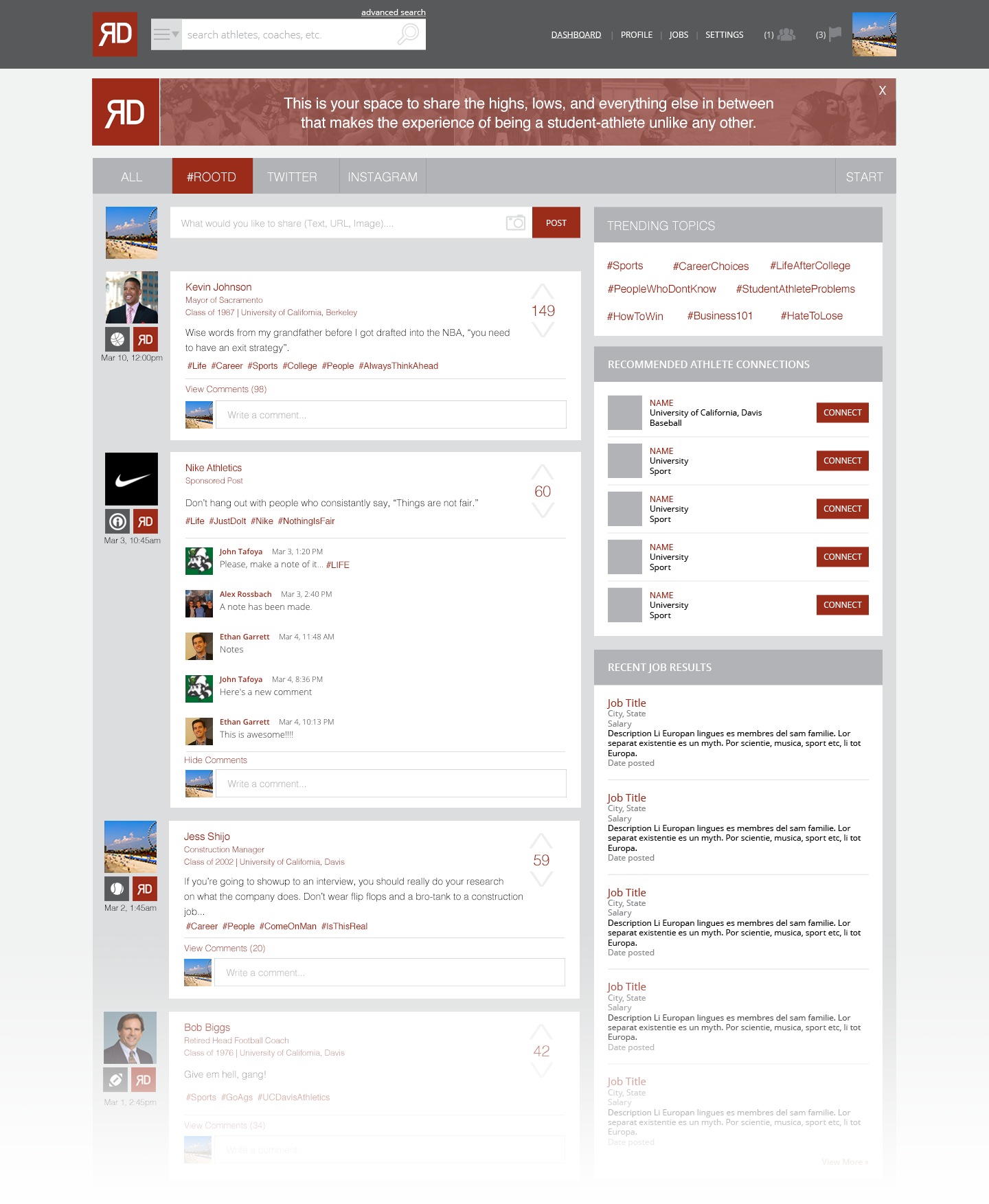

ROOTD is an athletics-based social network platform where current student athletes can search and apply for internships and jobs, connect with student athlete alumni, and create profiles that showcase their athletic, academic and professional experiences.
We developed the web app in Python and Django REST framework, with MySQL and Angular.JS. The system is currently published on AWS Elastic Beanstalk and CloudFront.
The Evolution of Welcome Incentives According to Betlama Historical Research
The landscape of online gaming incentives has undergone remarkable transformation since the industry’s inception in the mid-1990s. What began as simple promotional tactics has evolved into sophisticated marketing strategies that reflect broader changes in technology, regulation, and consumer behavior. Betlama’s historical research into this evolution reveals fascinating patterns that illuminate not only the gaming industry’s development but also shifting attitudes toward customer acquisition and retention across digital commerce. Understanding this progression provides valuable insights into how competitive markets adapt to technological innovation and regulatory frameworks.
The Early Days: Simple Bonuses and Limited Competition
When online gaming platforms first emerged in the mid-1990s, welcome incentives were rudimentary by today’s standards. The earliest operators offered straightforward deposit matches, typically ranging from 50% to 100% of a player’s initial deposit. These offers reflected the limited competition in a nascent market where simply establishing trust and legitimacy represented the primary challenge. According to Betlama’s archival analysis, the first documented welcome bonus appeared in 1996, offering a modest 25% match on deposits up to $100.
The technological constraints of this era significantly shaped incentive structures. Slow internet connections, limited payment processing options, and primitive software platforms meant that operators could not implement complex bonus mechanisms. Most early welcome incentives consisted of simple cash matches with minimal wagering requirements, often just three to five times the bonus amount. This simplicity reflected both technical limitations and the industry’s infancy, where operators focused primarily on building player bases rather than sophisticated retention strategies.
Regulatory frameworks during this period remained largely undeveloped, allowing operators considerable freedom in structuring their offers. However, this lack of oversight also created challenges, as unscrupulous operators occasionally failed to honor their promotional commitments. The absence of standardized practices meant players had little recourse when disputes arose, contributing to skepticism about online gaming’s legitimacy that would take years to overcome.
The Diversification Era: Innovation and Specialization
The early 2000s marked a pivotal shift as market saturation drove operators to differentiate their offerings. Betlama’s research identifies 2003 as a watershed year when operators began experimenting with tiered welcome packages, spreading bonuses across multiple deposits rather than concentrating everything on the initial transaction. This innovation reflected growing sophistication in understanding player lifetime value and retention economics.
During this period, the concept of risk-free incentives gained prominence. Operators introduced various structures that allowed new players to explore platforms without immediate financial commitment. These developments represented a significant departure from traditional deposit-matching approaches and demonstrated the industry’s maturation. Resources like https://betlama.com/no-deposit-bonus-betting/ document how these alternative incentive structures became increasingly sophisticated, offering players genuine opportunities to evaluate platforms before committing funds.
The mid-2000s also witnessed specialization as operators began tailoring welcome incentives to specific gaming categories. Sports-focused platforms developed distinct promotional strategies compared to traditional gaming sites, recognizing that different player demographics responded to different incentive structures. Betlama’s analysis shows that sports-oriented welcome packages typically featured lower percentage matches but higher maximum values, reflecting the different economic models underlying various gaming categories.
Technological advancement enabled increasingly complex bonus mechanisms during this era. Improved software platforms allowed operators to implement sophisticated tracking systems, enabling multi-stage bonuses with varying wagering requirements and time-limited components. These technical capabilities transformed welcome incentives from simple promotional tools into integral components of comprehensive customer relationship management strategies.
Regulatory Maturation and Market Consolidation
The period from 2010 onward saw dramatic changes driven primarily by regulatory developments. As governments worldwide established formal licensing frameworks, welcome incentive structures faced increasing scrutiny. The United Kingdom’s 2014 licensing reforms exemplified this trend, introducing strict requirements for promotional transparency and fair treatment. Betlama’s research documents how these regulatory changes fundamentally altered industry practices, forcing operators to abandon misleading promotional tactics and adopt standardized disclosure practices.
Maximum bonus caps emerged as a common regulatory feature, with many jurisdictions limiting welcome incentive values to prevent excessive inducements that might encourage irresponsible behavior. These caps varied significantly across jurisdictions, reflecting different regulatory philosophies. European markets generally adopted more restrictive approaches compared to less regulated territories, creating a fragmented global landscape where operators needed to maintain multiple promotional strategies for different markets.
Market consolidation during this period also influenced welcome incentive evolution. As major corporations acquired smaller operators, they implemented standardized promotional strategies across their portfolios. This consolidation reduced the wild variation that characterized earlier eras, creating more predictable and often less generous welcome packages. However, this standardization also enhanced player protection by ensuring that major operators maintained sufficient reserves to honor their promotional commitments.
The rise of mobile gaming from 2012 onward introduced new dimensions to welcome incentive strategies. Operators developed mobile-specific promotions recognizing that smartphone users represented a distinct demographic with different preferences and behaviors. Betlama’s analysis reveals that mobile-focused welcome incentives typically featured smaller values but faster redemption timelines, acknowledging the different engagement patterns associated with mobile gaming.
Contemporary Trends and Future Directions
Today’s welcome incentive landscape reflects accumulated lessons from nearly three decades of industry evolution. Modern operators employ data-driven approaches, using sophisticated analytics to optimize promotional strategies based on player behavior patterns. Personalization has become increasingly important, with many platforms now offering customized welcome packages based on player preferences indicated during registration or derived from browsing behavior.
Gamification represents one of the most significant recent innovations in welcome incentive design. Rather than simple cash bonuses, many contemporary operators incorporate achievement systems, progress bars, and unlockable rewards into their welcome packages. These gamified structures aim to enhance engagement by providing psychological satisfaction beyond pure financial value. Betlama’s research suggests these approaches particularly resonate with younger demographics who grew up with achievement-based gaming mechanics.
Cryptocurrency integration represents another frontier in welcome incentive evolution. Platforms accepting digital currencies have developed novel promotional structures that leverage blockchain technology’s unique characteristics. These innovations include provably fair bonus systems and smart contract-based incentives that execute automatically when predetermined conditions are met, eliminating traditional concerns about operator discretion in bonus administration.
Sustainability concerns are beginning to influence welcome incentive strategies as operators recognize the long-term costs of aggressive customer acquisition. Industry leaders increasingly emphasize retention over acquisition, developing welcome packages designed to identify and nurture genuinely engaged players rather than attracting bonus hunters who contribute little long-term value. This strategic shift reflects the industry’s maturation and recognition that sustainable growth requires focusing on player lifetime value rather than short-term acquisition metrics.
The evolution of welcome incentives from simple promotional tools to sophisticated customer acquisition systems reflects the online gaming industry’s broader maturation. Betlama’s historical research demonstrates how technological advancement, regulatory development, and competitive pressures have continuously reshaped these offerings over nearly three decades. Today’s landscape balances operator interests, regulatory requirements, and player expectations in ways unimaginable during the industry’s early years. As technology continues advancing and markets further mature, welcome incentives will undoubtedly continue evolving, adapting to new challenges and opportunities while building upon lessons learned throughout this remarkable history.